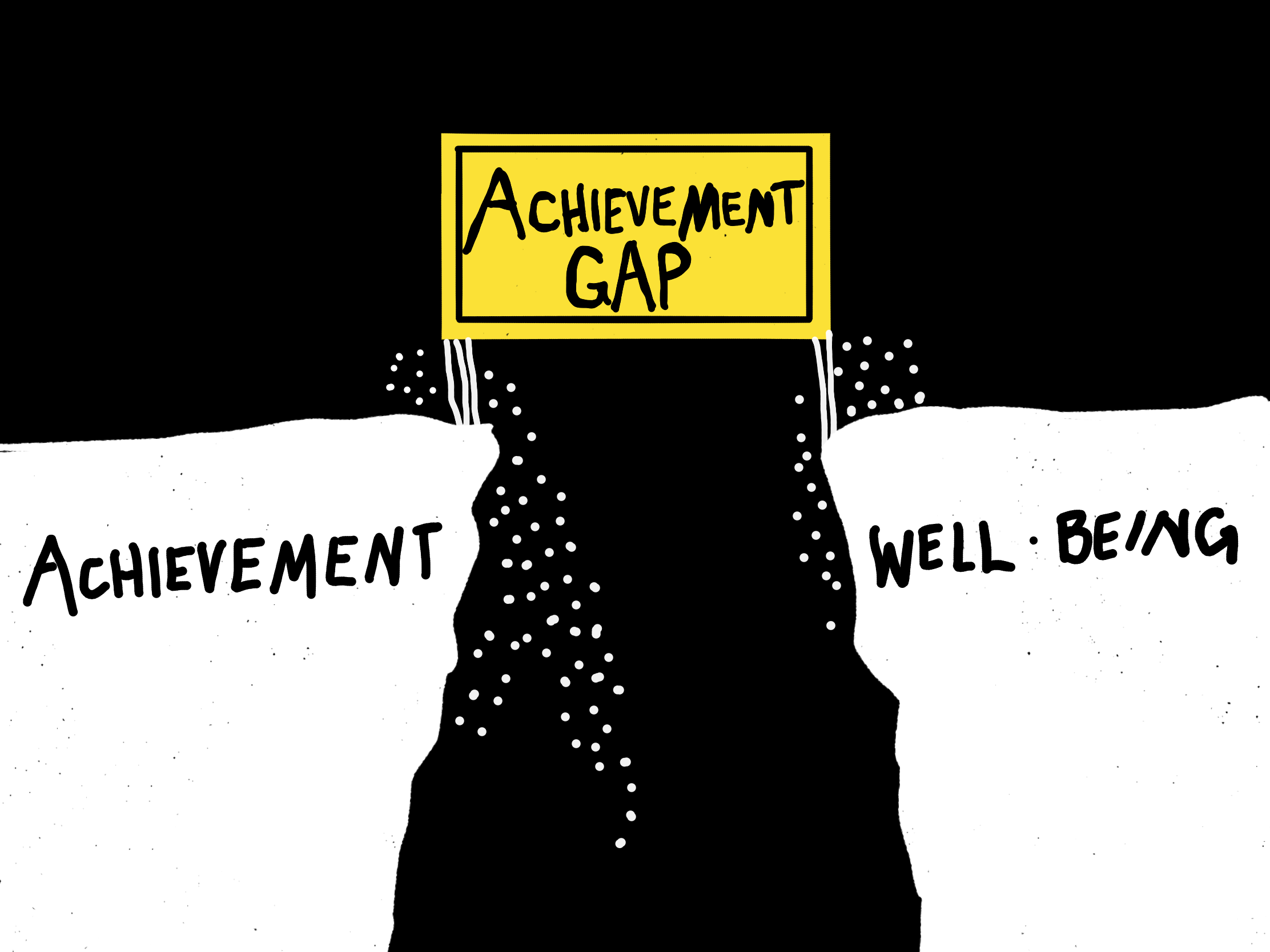
The Future of Measurement is People-Based
An illustrated interview with Learning Documentation expert Angela Stockman

“Just because something is difficult to measure or quantify does not mean it is not valuable!” Berend van der Kolk, The Quantified Society
In education, we talk a lot about assessment. We use words like metrics. Growth. Outcomes. Dashboards. Evidence.
But underneath all that language is a more uncomfortable question we rarely sit with long enough:
What are we trying to see when we assess learning?
Because assessment doesn’t just evaluate learning.
It shapes what we value.
It signals whose knowledge counts.
And over time, it shapes how learners see themselves.
So when we measure learning, what are we really measuring?
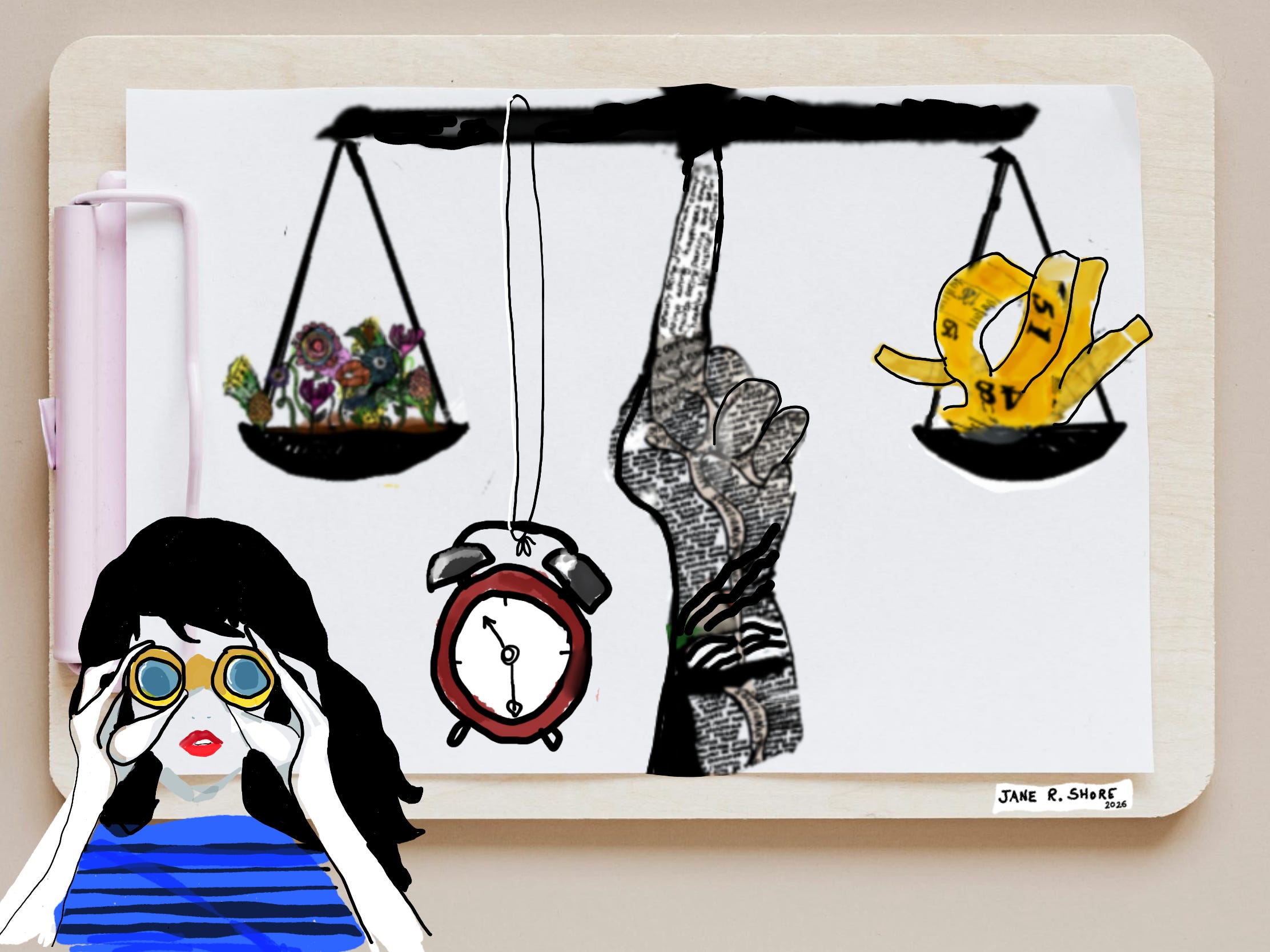
Too often, assessment has come to mean standardization. It’s not about standards, but sameness. The compression of complex human development into scores that are portable, comparable, and legible to systems, even when they become increasingly illegible to the people doing the learning.
In the process, something essential is lost.
Because learning is not a single moment captured on a page. It unfolds as a process and accumulates as a story. It shows up in shifts in things that truly matter, yet rarely fit cleanly into a spreadsheet.
When assessment becomes only a report or a rating, we flatten what is fundamentally a relational, embodied, and evolving act. We mistake performance for understanding. We reward compliance over sensemaking. And we teach students that what counts most is what can be counted fastest.
To measure learning well, however, we have to see people, not just their outputs.
This is the tension that’s been pulling me toward People-Based Measurement: approaches to understanding learning that honor human complexity rather than erase it. People-Based Measurement asks a different question. It’s not How do we rank learning? but How do we notice it accurately, humanely, and in context?
And it’s one of the reasons I was so grateful for the chance to spend time with educator, author, and pedagogical documentation expert Angela Stockman.

I first heard Angela speak at the Human Restoration Project conference this summer. Something about her framing, her generosity, her clarity, her insistence on honoring the full expressive range of learners, stayed with me long after the session ended.
She wasn’t arguing against assessment.
Angela was asking a better question:
What if assessment helped us notice more, not less?
So I reached out. We talked and talked, and I am looking forward to our future conversations already. What emerged wasn’t just an exchange of ideas, but a moment of recognition: our work is deeply aligned.
Documentation of learning, as Angela practices and teaches it, isn’t an alternative to rigor, it’s a pathway to a more honest, humane, and holistic view of what learning actually looks like in real classrooms with real children.
Below are a few points of light from our conversation, connecting pedagogical documentation with the core principles of People-Based Learning, and that challenge some of our most settled assumptions about assessment itself.
If you’ve ever felt that current systems are measuring something adjacent to learning, but not learning itself, this conversation is for you.